

Fashion production is a significant contributor to environmental degradation. Here are some alarming facts:
Carbon Emissions:
The fashion industry is responsible for 8-10% of humanity's carbon emissions, making it one of the world's most polluting industries.
Reusing and Recycling:
Only a small fraction of clothing is truly recycled. Less than 1% becomes new clothing, and most “recycled” textiles are downcycled or shipped overseas, where they often become waste.
Textile Waste:
Shockingly over 80% of textiles end up in landfills or incinerators each year — the equivalent of a garbage truck of clothing dumped every second.
This massive waste stream is detrimental to the environment.
U.S. Waste Per Person:
On average, each person in the U.S. discards roughly 100 pounds (45 kilograms) of textiles annually, far more than the recycling system can handle.
Despite efforts to donate used clothing, a substantial portion still ends up as waste.
However, there are opportunities for improvement, from slowing the cycle of waste with made‑to‑order production to transforming leftover materials or textiles into new artistic creations. When materials are repurposed with intention, they stop being waste and become pieces of functional art, carrying value that lasts for years instead of ending up in a landfill.
IT'S TIME TO END FAST FASHION
That's where we come along!
We weave ourselves into the fabric of time, reshaping and breathing new narratives into objects destined to transcend centuries.
The Dirty Secret of Overproduction!
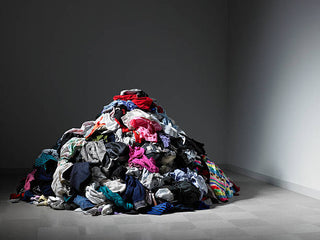
The global fashion industry produces 80–150 billion garments every year, and studies show that up to 40% of them never sell. These unworn pieces often end up marked down, destroyed, or dumped in landfills, revealing one of fashion’s most damaging and least‑discussed waste streams.
By working with our print‑on‑demand manufacturer partners, we avoid mass‑producing inventory that may never be worn — creating only what’s needed and dramatically reducing the cycle of oversupply.♻️
Improper Disposal Methods
While some brands offload excess inventory through resale partners or charitable donations, many still rely on destructive methods that quietly fuel the industry’s waste crisis:
Shredding:
Some companies deliberately destroy unsold garments to prevent them from entering resale markets — a practice highlighted in investigations into fast‑fashion waste streams.
Burning:
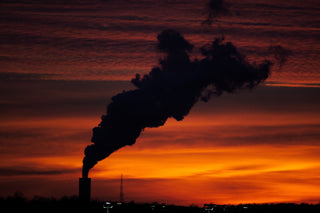
Major brands have been exposed for incinerating unsold stock to protect brand exclusivity, releasing dangerous toxins into the atmosphere from dyes and materials.
Dumping in Landfills:
Fast‑fashion retailers routinely send brand‑new, unworn clothing straight to landfills when new shipments arrive, contributing to mountains of textile waste.

Fabrics and Textiles Sourcing
At STYLRATT, fabric selection is intentional, ethical, and rooted in comfort. We strive to source high-quality textiles ensuring comfort, durability, and timeless design.
Ethical Innovation
Our fabrics are chosen with performance and longevity in mind, balancing breathability, flexibility, and style to create designs that withstand time and wear.

Designing Process
At STYLRATT, design is more than aesthetics—it’s a fusion of artistry, and innovation.
Creative Vision
Every design is inspired by spiritual, inspirational, motivational, cultural, and expressive symbolism, fluid movement, and artistic storytelling, ensuring each piece embodies depth and originality.
Functionality & Expression
Our apparel is made for comfort, versatility, and bold self‑expression, while our paintings, sculptures, and redesigned pieces offer art that can shape your space and your spirit. Whether worn or displayed, each creation invites individuality and intentional living.

Exclusivity and Longevity
At STYLRATT, exclusivity is more than rarity—it’s about curating fashion that holds meaning, lasts beyond trends, and embodies individuality. Each design and art piece is a testament to artistic craftsmanship, ethical innovation, and the pursuit of something truly unique.
Limited-Edition Creations
Each Art Gallery piece is designed with precision and intention; each piece is crafted thoughtfully and never mass-produced.
Longevity Through Design
High-quality materials and ethical sourcing ensure durability and lasting appeal, evolving with you, not against time.
A Vision Beyond Trends
Our creations are more than apparel—they’re wearable art built to make a statement today and endure for years. Alongside our clothing, we craft paintings, sculptures, and redesigned pieces that bring the same intention into your space, offering art you can wear, display, or live with.

Print-On-Demand Partnerships
At STYLRATT, we partner with trusted print-on-demand manufacturers to create fashion that is both innovative and intentional. By producing only what is needed, we reduce waste and prevent overproduction.
Print-On-Demand Efficiency
Each item is crafted upon order, eliminating excess inventory and unnecessary waste.
Sustainable Craftsmanship
We focus on intentional sourcing, long-lasting materials, and ethical production to make fashion impactful yet waste-free.
Through strategic partnerships, intentional craftsmanship, and ethical practices, STYLRATT creates high-quality apparel with purpose, ensuring fashion evolves responsibly.
Solutions Needed
To address these issues, the fashion industry needs a fundamental redesign. Embracing circular economy principles can help. This approach involves designing out waste, using safe and ethical materials and repurposing used fabrics and or materials to new ones.